From the mine to your hand
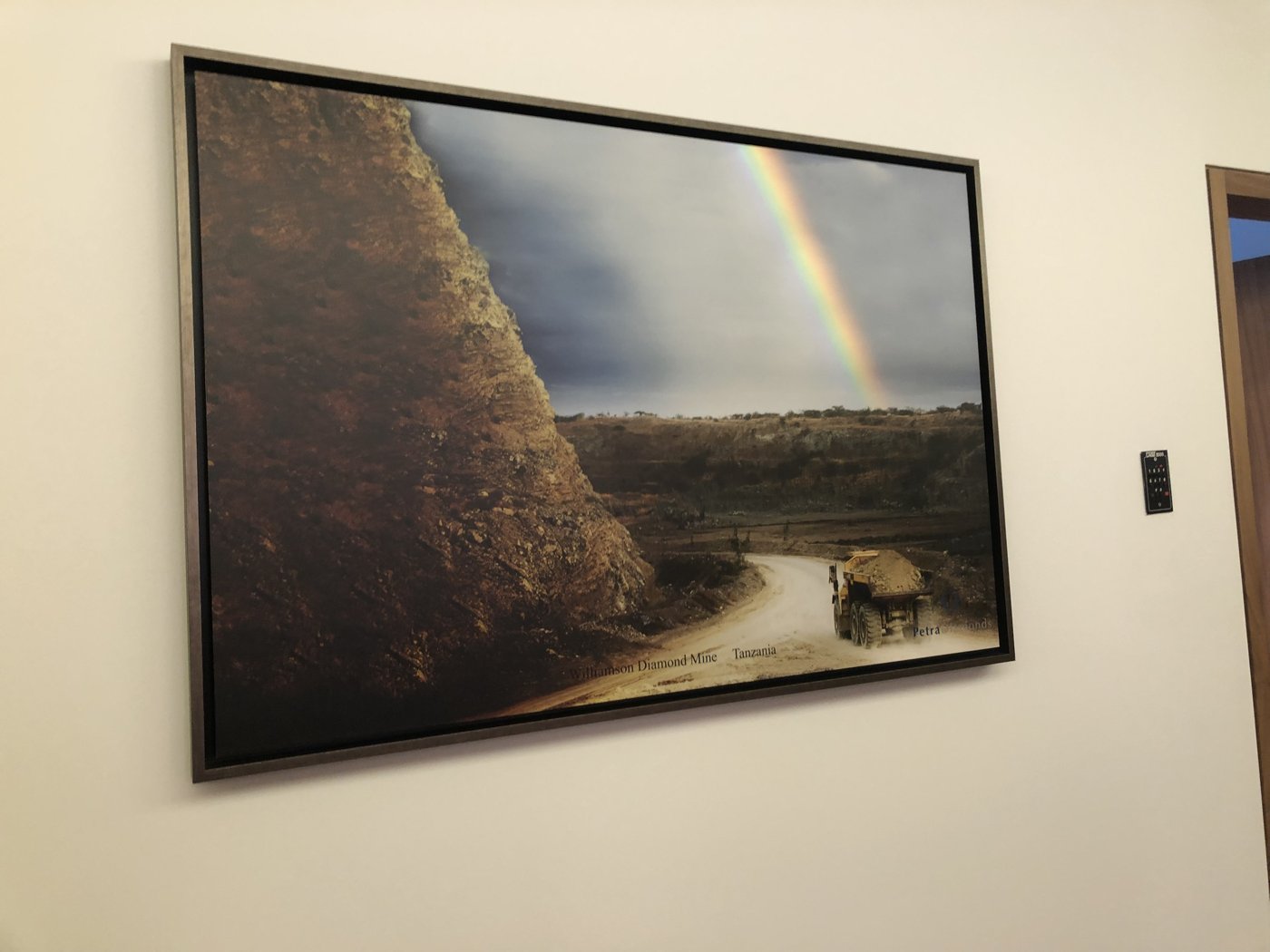
I've traveled to the world's diamond centers to see where stones come from and how they're made. These are photos and videos from those trips, following a diamond through every stage before it reaches you.
Choosing rough at the source
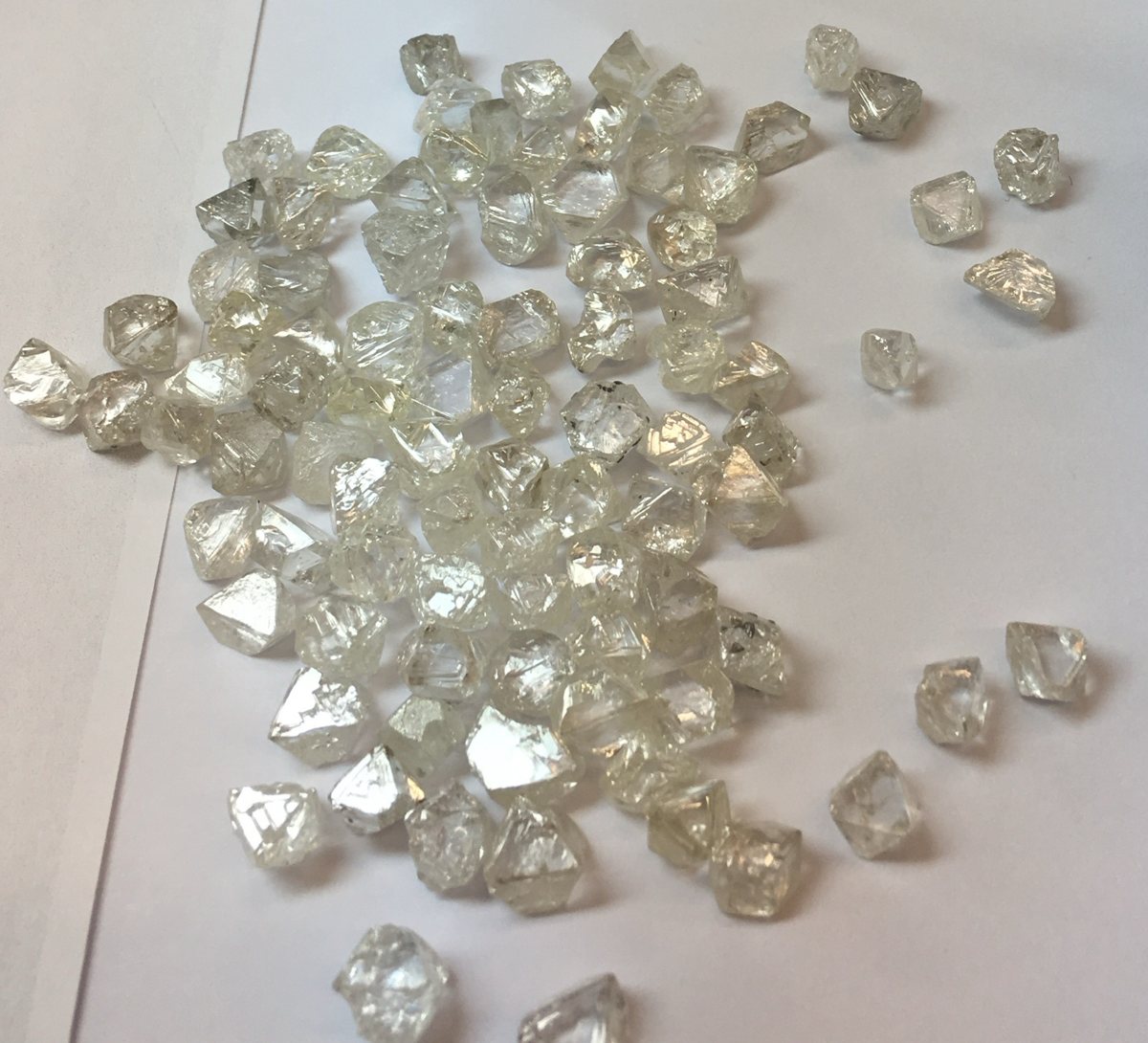
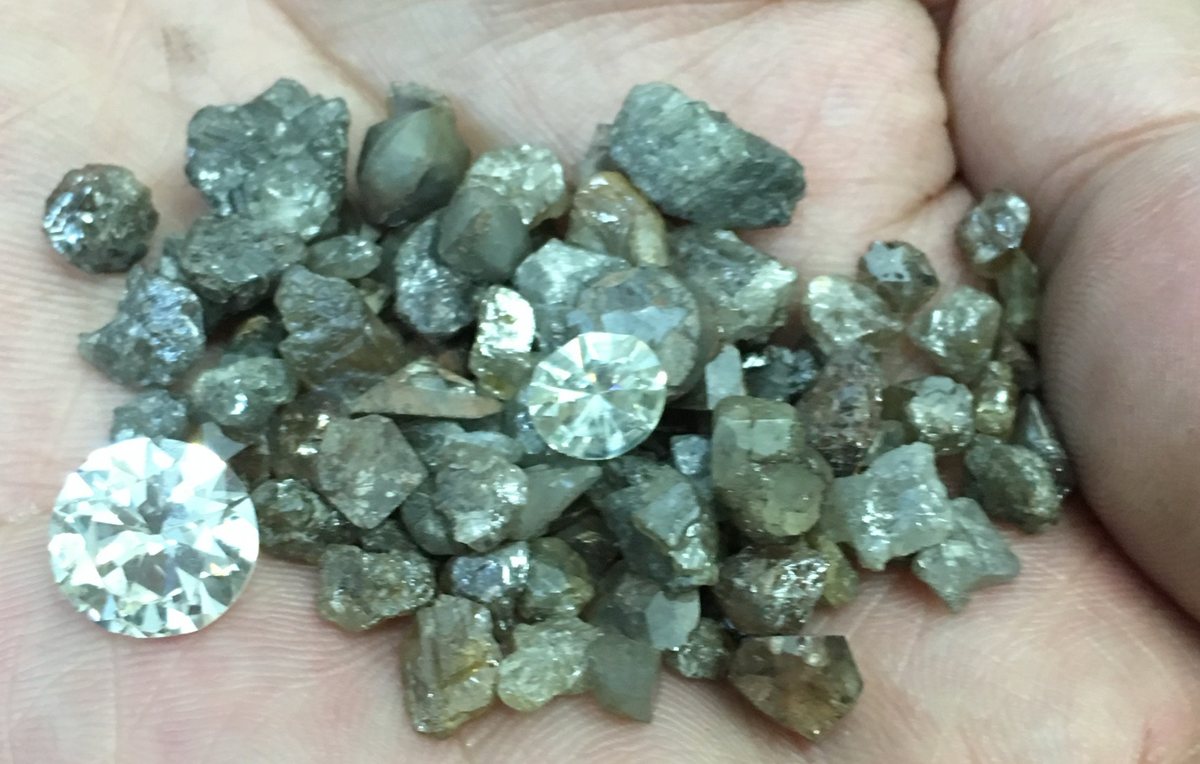
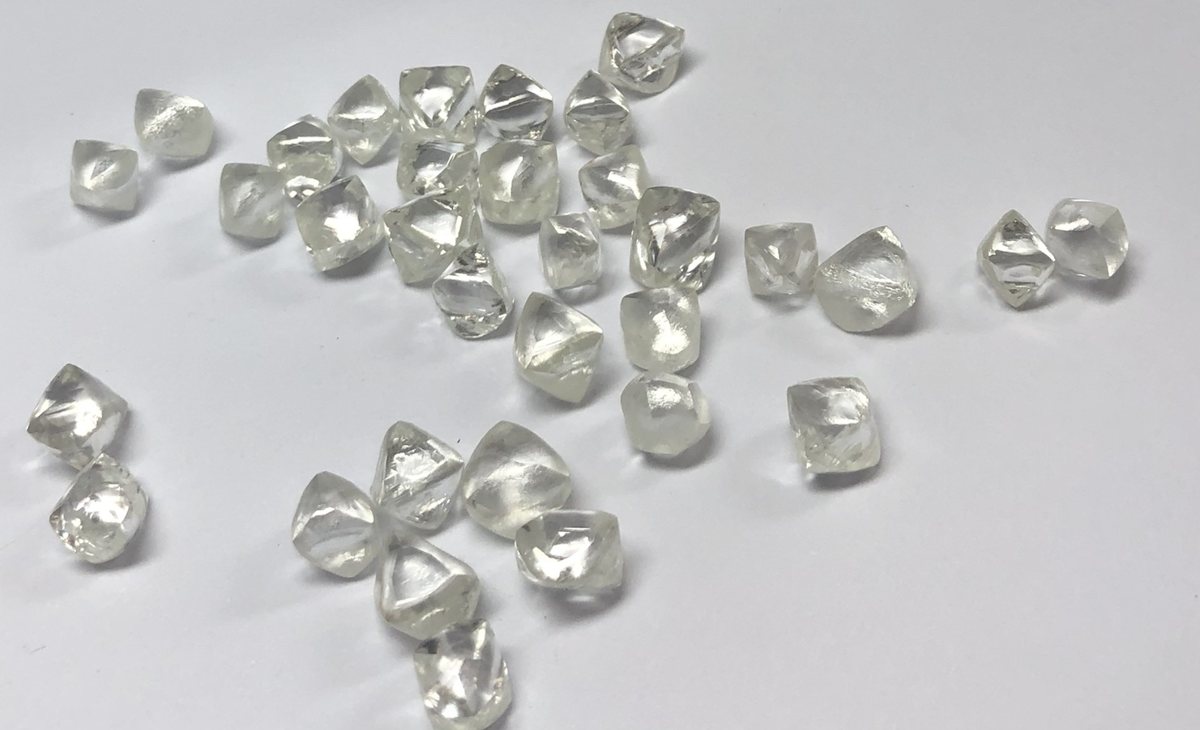
At diamond mining companies' offices in Belgium and India, rough diamonds are sold in parcels sorted by size, shape, and color. Before a stone is ever cut, I study the rough to judge what it can become.
Mapping the stone before it's cut
Each rough diamond is scanned in 3D. The software maps its shape and plans the cut that will yield the best polished diamond, so as little of the crystal as possible is lost.
Planning decides how big the finished diamond will be, its shape, and how well it will sparkle. A few degrees of difference in the plan can change the value of the finished stone.
Cutting and polishing, facet by facet
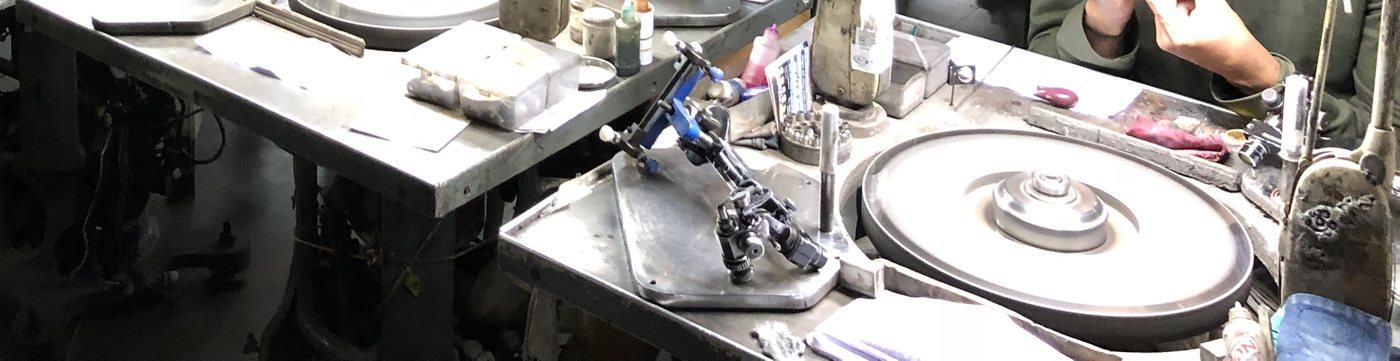
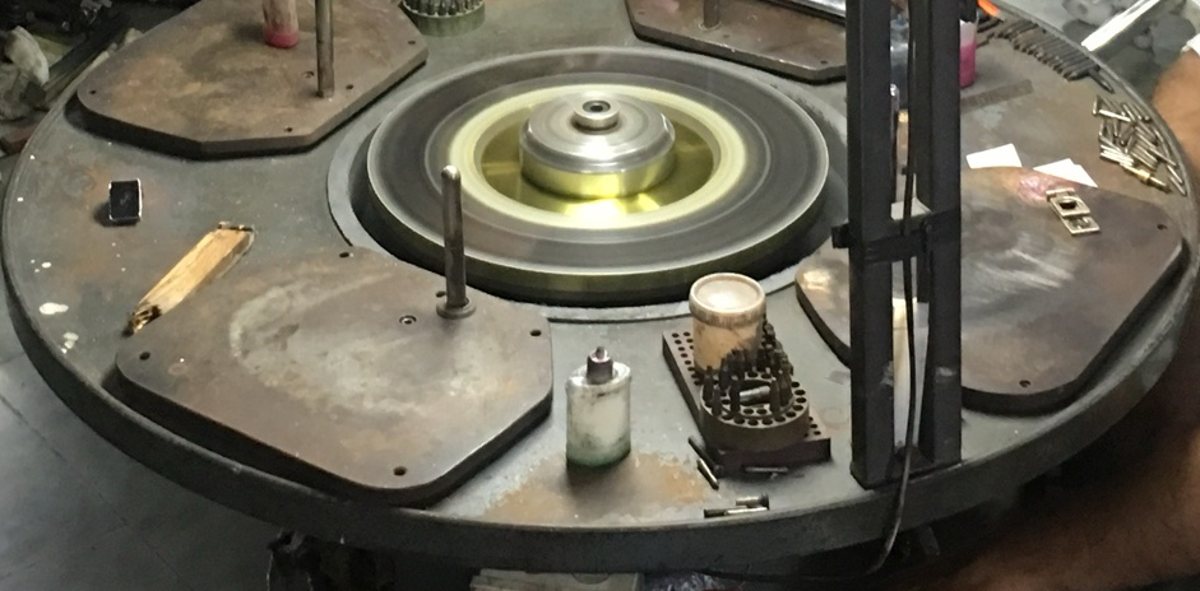
Only a diamond can cut a diamond. In polishing workshops in India, craftsmen press each stone against spinning wheels coated with diamond powder, shaping every facet by hand and checking it again and again under a loupe.
Grading and testing
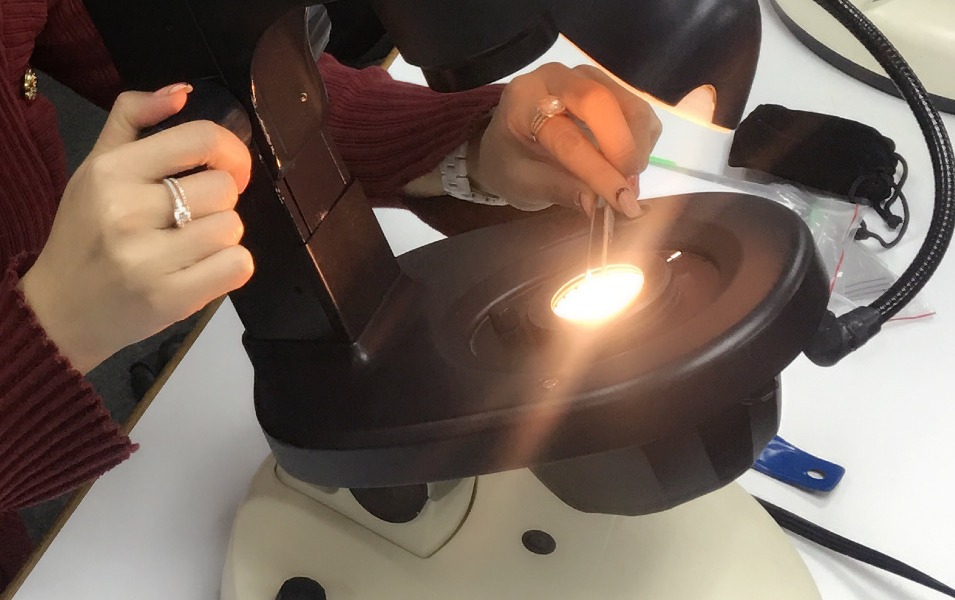
Once polished, every diamond is measured and checked. Color is read with a colorimeter, ultraviolet light shows whether the stone fluoresces, and clarity is graded under magnification. This is where my GIA training comes in.
Then it's yours
Every diamond I offer, natural or lab-grown, has been through this same checking. Tell me what you're looking for and I'll find the right stone for it.
Start your design